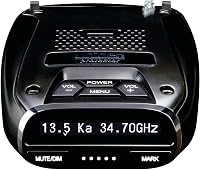
How to Install a Radar Detector on the Rearview Mirror
To install a radar detector from your mirror, check stem space, match the mount and power cord to your detector, then secure and position everything. Keep wires clear of your view and vehicle controls.
On this page (7 sections)
- How do you install a radar detector from a mirror?
- What should you check before buying a mirror mount?
- How do you choose a mount for your detector?
- Can you power a radar detector from the mirror?
- How should you route a mirror tap wire?
- What mistakes should you avoid after installation?
- Which mirror-mount setup should you choose?
To learn how to install a radar detector from a mirror, first check the exposed mirror stem and detector fit, then choose a matching mount and power cord. Secure the detector, route wiring out of your view, and confirm the mirror still adjusts.
A mirror setup can keep the dashboard and windshield less cluttered, but it only works when the mount fits the vehicle and detector. Decide whether you need a mount, a hidden power connection, or both before ordering parts.
How do you install a radar detector from a mirror?
Fit a compatible mount to the mirror stem, attach the detector, and connect power only after checking the cord and vehicle instructions. Use this sequence as a general guide; your detector and vehicle manuals take priority.
- Check the detector manual for approved mounting positions and power options.
- Measure the exposed mirror stem and compare it with the mount’s space requirement.
- Confirm that the mount fits both the mirror and the detector’s attachment point.
- Install the mount as directed and tighten its fasteners.
- Attach and position the detector so it points forward without blocking your view.
- Connect a compatible mirror tap or use the detector’s standard power cord.
- Secure the wire away from your view, controls, pedals, and moving parts.
- With the vehicle parked, check the mount, display, power, and mirror adjustment.
Don’t force a clamp onto a short stem or guess at a wiring connection because a plug appears close. If either fit is unclear, pause and verify compatibility.
What should you check before buying a mirror mount?
Measure the stem, confirm detector compatibility, and consider visibility before choosing a mount. These checks help you avoid buying hardware that can’t fit your car or detector.
Measure the free stem space between the mirror and its mounting point. Some mounts need at least 1 inch, and vehicles with short stems may not have enough room.
Check the mount’s fit for your exact detector model and connection. Brand-level compatibility is not enough if the specific model or insertion width is excluded.
Also consider whether the mounted detector could obstruct your view or limit mirror adjustment.
For a broader look at placement and power choices, read how to install a radar detector. Compare styles and fit considerations in our guide to radar detector mounts and brackets.
How do you choose a mount for your detector?
Choose a mirror mount only when your vehicle has the required stem space and your detector is on its compatibility list. Skip it if the fit is uncertain or the bracket would put the display in your line of sight.
The SDSACZMU Aluminum Mirror Rod Mount suits owners of compatible Uniden models who want an adjustable aluminum bracket. It supports models such as the R1, R2, R3, R4, and R6, but excludes the R7 and R8 and requires 1 inch of stem space.
Its spherical connection can be positioned before tightening. The instructions call for a hex wrench to lock the screws in place.
This is a better fit for someone comfortable setting and tightening a bracket than for a buyer who needs a mount for an excluded model.
The SDSACZMU Mirror Mount (Cobra) is aimed at drivers with a compatible Cobra detector and enough exposed stem. It calls for at least 1 inch of space, excludes Corvette and short-stem vehicles, and requires checking the detector insertion width.
Skip this mount if your vehicle is excluded or your detector’s insertion point does not match. A mount can fit the mirror and still fail to fit the detector.
How do you install a radar detector mirror mount?
Install the bracket according to its instructions, then check that it stays in position before adding the detector. Adjust the assembly while parked and keep the detector clear of your view.
For the aluminum Uniden mount, set the spherical connection where you want it, then tighten the screws with a hex wrench. Avoid overtightening or forcing a part that does not seat correctly.
For the Cobra-oriented mount, check the stem space and detector connection before fitting it.
After attaching the detector, confirm that the mirror still adjusts and the bracket does not press against nearby controls or trim. If the detector shifts when you touch it gently, stop and correct the fit before driving.
Can you power a radar detector from the mirror?
A mirror tap can power a detector when the vehicle has a compatible powered mirror connection and the cord matches the detector. Choose by detector brand and connector fit, not by cord appearance alone.
The RJ11 Mirror Tap Cord for Uniden is intended for compatible Uniden RJ11 detectors, including the R4, R7, and R8. It is 14 inches long and has an inline fuse.
The RJ11 Mirror Tap Cord for Escort is intended for Escort radar detectors, including models such as the Max 360C, MaxCam, Redline, Max, Max2, 9500ix, and 8500x50. Its cord is 16.92 inches long and includes an inline fuse.
Choose the Uniden cord for a compatible Uniden RJ11 detector or the Escort cord for a compatible Escort detector. Skip either if the vehicle connection or pin layout is uncertain.
Use the detector’s standard power method or ask a qualified installer rather than connecting wires by guesswork.
How should you route a mirror tap wire?
Route the cord so it stays out of your view and clear of controls and moving parts. Follow the vehicle and cord instructions, and avoid pulling trim unless you know how it releases.
Connect the mirror tap only as its instructions describe. Leave enough slack near the mirror to avoid strain, then secure excess wire so it cannot dangle near the steering wheel or pedals.
After connecting power, check that the detector turns on as expected. If a fuse blows, a cord gets warm, or the connection behaves unpredictably, disconnect it and seek help.
For local rules and responsible use, read how to use a radar detector legally.
What mistakes should you avoid after installation?
The main mistakes are choosing a mount without measuring, assuming cords are interchangeable, and leaving loose wiring. Correcting these before driving helps keep the detector steady and the cabin clear.
- Skipping the stem measurement: Check the available space before ordering. Both SDSACZMU mounts call for at least 1 inch.
- Ignoring model exclusions: The aluminum Uniden mount excludes the R7 and R8. The Cobra-oriented mount excludes Corvette and short-stem vehicles.
- Mixing power cords: Match the mirror tap to the detector brand and connector. The Uniden and Escort cords are not interchangeable by assumption.
- Guessing at mirror pins: Follow the cord instructions and confirm power and ground. Don’t experiment with unknown connections.
- Leaving the display in your sightline: Adjust the setup while parked so it does not obstruct your view or prevent mirror adjustment.
- Letting wire hang loose: Secure extra cord away from controls, pedals, and moving parts.
Which mirror-mount setup should you choose?
Pick the mount and power cord that match both your detector and vehicle; use standard power if the mirror wiring is uncertain. The Uniden aluminum mount suits compatible models other than the R7 and R8, while the Cobra-oriented bracket is for compatible detectors in vehicles with enough stem space.
For power, choose the Uniden mirror tap for a compatible Uniden RJ11 detector or the Escort mirror tap for an Escort detector. If your mirror connector or pin layout is unclear, use the detector’s standard power cord or get help from a qualified installer.
The right answer to how to install a radar detector from a mirror is a secure, compatible setup that keeps the detector forward-facing and the wire clear of your view. For a wider placement overview, see radar detectors for cars.
Frequently asked questions
Can I mount a radar detector on the rearview mirror?
Yes, if your vehicle has enough mirror-stem space and you choose a mount that fits both the mirror and detector. Check the mount’s compatibility and instructions before installing, then make sure the detector stays secure and doesn’t block your view or interfere with mirror adjustment.
Can I power a radar detector from the rearview mirror?
Some vehicles have a powered mirror connection that can work with a compatible mirror tap cord, but fit and wiring vary. Confirm the cord matches your detector and vehicle connection, follow its instructions, and ask a qualified installer if you can’t identify the correct power and ground pins.
How much space does a mirror mount need?
Check the mount’s instructions and measure the mirror stem before buying. The SDSACZMU Uniden mount calls for 1 inch of stem space, and its compatibility notes exclude Uniden R7 and R8; the Cobra mount also calls for at least 1 inch and excludes short-stem vehicles and Corvette.
Should a radar detector be level?
A detector should sit securely and point forward without blocking your view. Follow the detector maker’s mounting guidance for angle and height, since placement details vary by model; check that the mirror still adjusts and the detector doesn’t move when the car is driven.