Escort MAX 360 MKII vs Uniden R4W: Which Is Better? (October 2026)
Choose the Escort MAX 360 MKII for directional arrows and shared alerts; choose the Uniden R4W for route-based mute memory, Wi-Fi and voice controls. This Escort MAX 360 MKII vs Uniden R4W comparison comes down to how you want alerts shown and which connected features you’ll use.
On this page (9 sections)
- Escort MAX 360 MKII vs Uniden R4W: what is the main difference?
- Which detector makes threat direction easier to understand?
- How do their GPS and false-alert tools compare?
- Which one has more useful phone and connected features?
- Which display and alert style suits your driving?
- What do the range claims tell you?
- How should you set up and use either detector?
- What common mistakes should you avoid?
- Which detector should you choose: Escort MAX 360 MKII or Uniden R4W?
Choose the Escort MAX 360 MKII if you want directional arrows and shared alerts; choose the Uniden R4W if route-based mute memory, voice controls and its stated Wi-Fi features matter more. This Escort MAX 360 MKII vs Uniden R4W comparison focuses on the differences that affect daily use: how alerts appear, how each handles familiar false-alert locations and which connections you need.
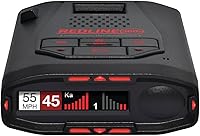
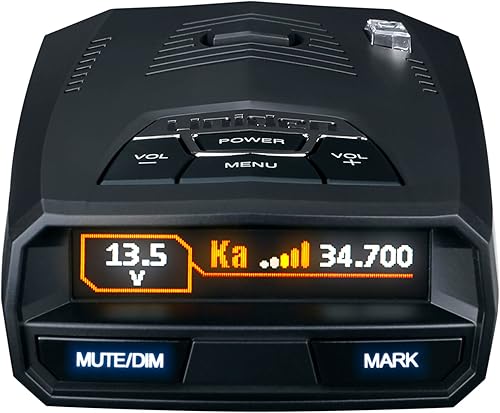
The R4W puts built-in GPS, auto mute memory, a multi-color OLED and programmable voice alerts together. The Escort uses arrows to show the direction of detected threats, plus Drive Smarter shared alerts and compatibility with Apple CarPlay and Android Auto.
Both describe filtering intended to reduce alerts from collision avoidance and blind spot systems. Neither feature set makes a detector a substitute for attentive driving or a guarantee that an alert is accurate.
Escort MAX 360 MKII vs Uniden R4W: what is the main difference?
The Escort MAX 360 MKII emphasizes directional awareness, while the Uniden R4W emphasizes GPS route memory and a display that can show more information at once. Both include GPS-based features and filtering, but the tools you see and hear differ.
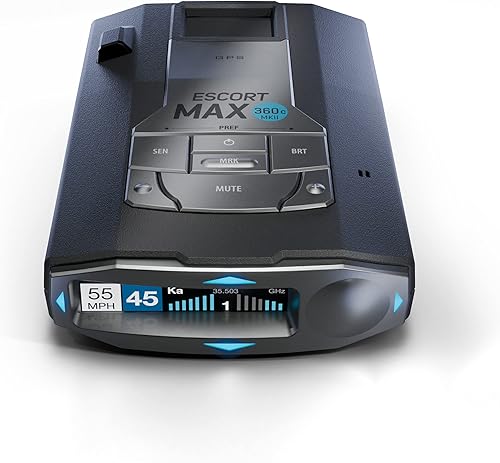
The Escort's arrows show threats from all 4 directions. Drive Smarter can provide shared alerts from other drivers, and the model is compatible with Apple CarPlay and Android Auto.
The R4W can remember and automatically mute false alerts along your routes. It also includes Wi-Fi, Bluetooth, R/TACH app support and a speed and red-light camera database.
If you're new to detectors, what a radar detector does explains the basic role of alerts. For one common signal type, see what Ka band means on a radar detector.
Which detector makes threat direction easier to understand?
Choose the Escort MAX 360 MKII if you want arrows that indicate where a threat is coming from. Directional arrows are not specified for the R4W, so its visual approach is different.
The Escort combines dual antennas with arrows for signals detected from the front, rear and sides. If you get an alert, the arrow gives an extra clue about its direction instead of leaving you to interpret sound alone.
The R4W uses a multi-color OLED for visual information and provides voice alerts. Its programmable voice controls let you choose how spoken alerts fit your preferences.
Is the Escort's arrow display the deciding feature in the Escort MAX 360 MKII vs Uniden R4W choice?
It is the deciding feature if knowing a signal’s direction is more useful to you than seeing a fuller color display. Think about which cue you can understand quickly while keeping your attention on the road.
Neither arrows nor voice alerts identify every road hazard or make speeding safe. Use detector alerts as one source of information, follow posted limits and keep your eyes on driving.
How do their GPS and false-alert tools compare?
Both use GPS-related features to reduce repeat false alerts, but they describe route learning differently. The R4W has auto mute memory, while Escort's AutoLearn uses repeat trips to learn a route.
Uniden says the R4W can remember and automatically mute false alerts, such as retail door alarms, along your routes. It also has K/Ka filtering intended to reduce alerts from blind spot monitoring and collision avoidance systems.
Escort says the MAX 360 MKII's GPS-based AutoLearn learns a route after repeat trips and can reject false alerts from specific locations. Escort also describes filtering for CAS and BSM signals.
A quieter familiar route can be convenient, but don't assume every alert is false just because you hear it in a known place. Use our guide to K band vs Ka band alerts to understand why band information can help you interpret signals.
Which one has more useful phone and connected features?
The R4W has stated Wi-Fi, Bluetooth and R/TACH app support; the Escort adds Drive Smarter shared alerts and CarPlay and Android Auto compatibility. Choose according to the connection you expect to use, not the number of features on a spec list.
The R4W pairs its GPS features with Wi-Fi, Bluetooth and a speed and red-light camera database. Its described features do not include shared alerts from other drivers.
The MAX 360 MKII connects to the Drive Smarter community for live alerts from other drivers. It also works with Apple CarPlay and Android Auto, allowing you to view a route and interact with alerts on a compatible vehicle display.
The MAX 360c MKII is a separate related model if over-the-air software updates are a priority. It includes dual-band Wi-Fi for those updates, along with Bluetooth, arrows and shared alerts.
See our Escort MAX 360c MKII review for a closer look at that model. Don't treat the “c” model as another name for the MAX 360 MKII.
Which display and alert style suits your driving?
Pick the R4W for its multi-color OLED and programmable voice alerts; pick the Escort if directional arrows are more useful to you. Both provide visual and sound-based alerts, but the details differ.
The R4W's OLED is described as displaying more information at once. Voice alerts are programmable, so you can set them to suit your preferences.
The Escort's standout visual cue is the direction arrow. A multi-color OLED and programmable voice alerts are not specified for this model, so drivers who want those particular features should compare the R4W closely.
Consider where the detector will sit and how you prefer to receive information. If you're weighing another Uniden option, compare the Uniden R4W vs R7 guide.
What do the range claims tell you?
The brands describe long-range performance, but their claims use different comparison points and don't guarantee a direct range winner. Treat them as separate model descriptions, not as a head-to-head range test.
Uniden describes the R4W as an extreme long-range detector with a Blackfin DSP. Escort says the MAX 360 MKII has 50% improved range compared with the original MAX 360 model, and also describes dual antennas and a Blackfin DSP.
Because the stated comparisons refer to different original models, the language and percentage aren't directly comparable. For your decision, give more weight to the alert, filtering and connection features that are clearly described for each model.
How should you set up and use either detector?
Mount the detector where it has a clear view through the windshield, connect its power, then learn the display and alert controls before driving. A stable position and a short setup routine make alerts easier to notice and interpret.
Use the mount and power connection suited to your vehicle, and keep the device positioned so it does not block your view. The products are corded, 12-volt units, so check your vehicle's power connection and plan the cable route before settling on a location.
Start with a comfortable volume and display setting while parked. For the R4W, choose voice alert preferences and become familiar with its OLED; for the Escort, learn what each arrow direction means and how its Drive Smarter connection works.
Give GPS features time to learn repeat routes. The R4W can remember locations and mute repeat false alerts, while the Escort's AutoLearn is described as learning after repeat trips.
For a step-by-step placement guide, read how to install a radar detector. If you want a cleaner cable path near the mirror, see how to install a radar detector from the rearview mirror.
What common mistakes should you avoid?
The biggest mistakes are treating every alert as a threat, assuming every alert is false, and choosing a model for a feature you won't use. A detector works best when you understand its alerts and keep your expectations grounded.
Don't mute alerts automatically just because a familiar location triggered them once. GPS memory and route learning can reduce repeated nuisance alerts, but a saved location doesn't prove that every future alert there is harmless.
Don't assume Wi-Fi or community alerts work the same way across the Escort models. The MAX 360 MKII has Bluetooth and shared alerts, while dual-band Wi-Fi updates are specifically described for the MAX 360c MKII.
Don't buy the Escort solely for arrows if you prefer voice cues and more screen information. Likewise, don't pick the R4W expecting directional arrows or shared alerts, since those features are not specified for it.
Finally, check local laws before using a detector. Our guides explain how to use a radar detector legally and where radar detectors are illegal.
Which detector should you choose: Escort MAX 360 MKII or Uniden R4W?
Choose the Escort MAX 360 MKII for directional arrows, Drive Smarter shared alerts and CarPlay or Android Auto compatibility; choose the Uniden R4W for route-based auto mute memory, a multi-color OLED and programmable voice alerts. In the Escort MAX 360 MKII vs Uniden R4W decision, let your preferred alert style settle the choice.
The Escort is the clearer fit if direction is the cue you want when an alert sounds, or if you expect to use its shared alerts and compatible vehicle display. The R4W is the clearer fit if you want its specific combination of route memory, color display, voice options, Wi-Fi and R/TACH support.
If wireless software updates are a key requirement, compare the separate Escort MAX 360c MKII before buying. For a broader checklist of features and trade-offs, use what to look for in a radar detector.
Related picks: {{product B0F1DWXMYP | Built-in GPS auto mute memory, Wi-Fi, Bluetooth and programmable voice alerts suit drivers who want route-based quieting.}} {{product B0BFG3J7SV | Dual-band Wi-Fi for over-the-air updates makes this related Escort worth comparing if update convenience matters.}} {{product B0BX4K6RMQ | Directional arrows, GPS AutoLearn and shared alerts suit drivers who want more context for each threat.}}
Frequently asked questions
Does the Uniden R4W have directional arrows?
The Uniden R4W has GPS, a multi-color OLED, voice alerts, Wi-Fi, Bluetooth and filtering, but directional arrows are not specified. The Escort MAX 360 MKII uses arrows to show threats from 4 directions, so choose it if that visual cue matters to you.
Which detector has better false-alert features?
Both include GPS-based ways to reduce repeat false alerts. The R4W has auto mute memory along routes, while the Escort MAX 360 MKII uses AutoLearn to learn a route after repeat trips and reject alerts at specific locations.
Both describe filtering for vehicle safety systems.
Can either detector connect to a phone?
Both support phone-related features. The R4W includes Wi-Fi, Bluetooth, GPS and R/TACH app support, while the Escort MAX 360 MKII offers Bluetooth and Drive Smarter shared alerts, plus compatibility with Apple CarPlay and Android Auto.
Is the Escort MAX 360c MKII the same as the MAX 360 MKII?
No, they are separate Escort models. Both describe directional arrows, GPS AutoLearn and shared alerts.
The MAX 360c MKII also has dual-band Wi-Fi for over-the-air software updates, so compare their features before choosing.